
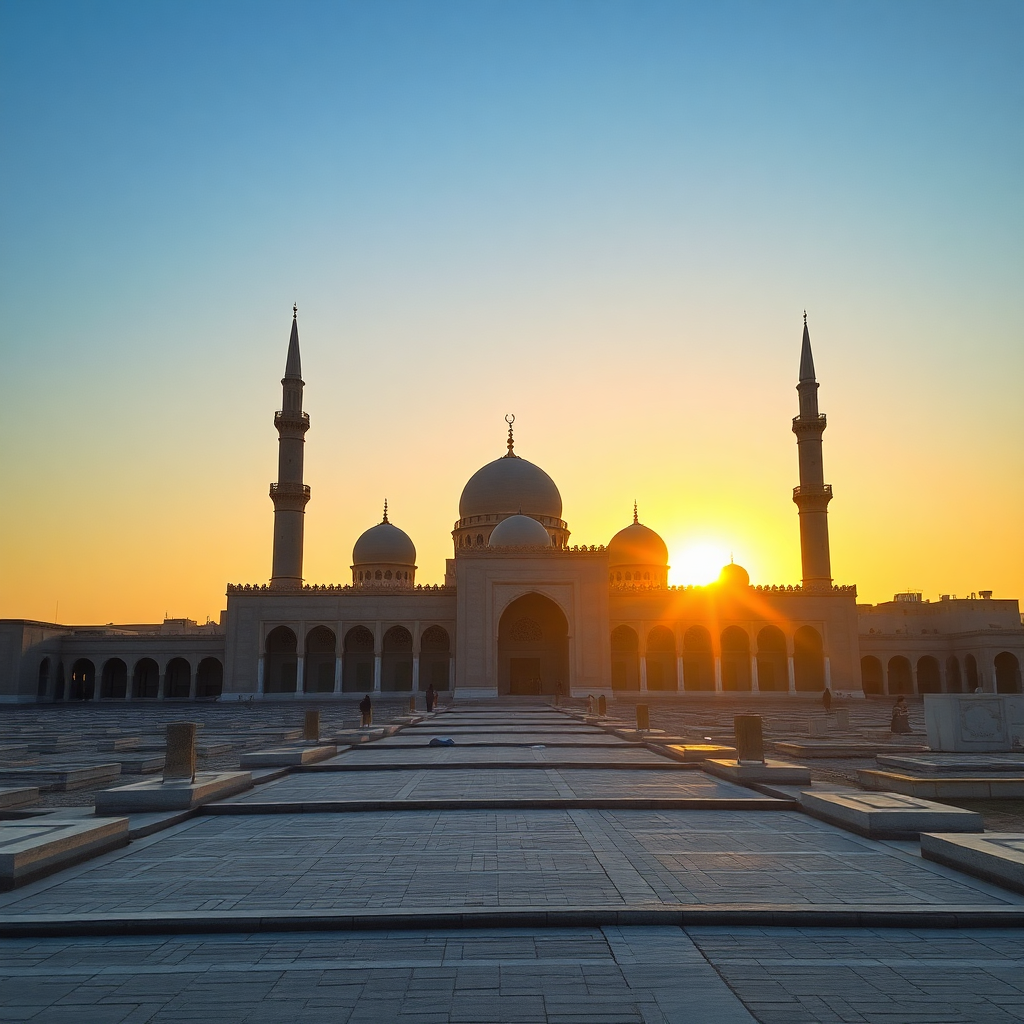
Where She Rests, Only the Pure Know
The mystery of her final resting place, a testament to her wish and wisdom.
The Unknown Grave
One of the most moving elements of Lady Fatemeh’s legacy is that her exact grave was not publicly marked. Shi‘i sources preserve the memory of a night burial and a concealed resting place, turning the search for her grave into a search for sincerity, loyalty, and historical truth.
This wish, honored by her husband Imam Ali (as), has resulted in her exact burial location remaining unknown to this day—a powerful statement that continues to resonate through the centuries and adds a unique dimension to her veneration.
Her Final Request
Shi‘i remembrance treats her hidden burial as a final testimony of grief and principled dissent after the Prophet’s passing.
Spiritual Symbolism
Because the exact grave is concealed, love for her is expressed less through monuments and more through memory, mourning, prayer, and fidelity to the values she defended.
Possible Resting Places
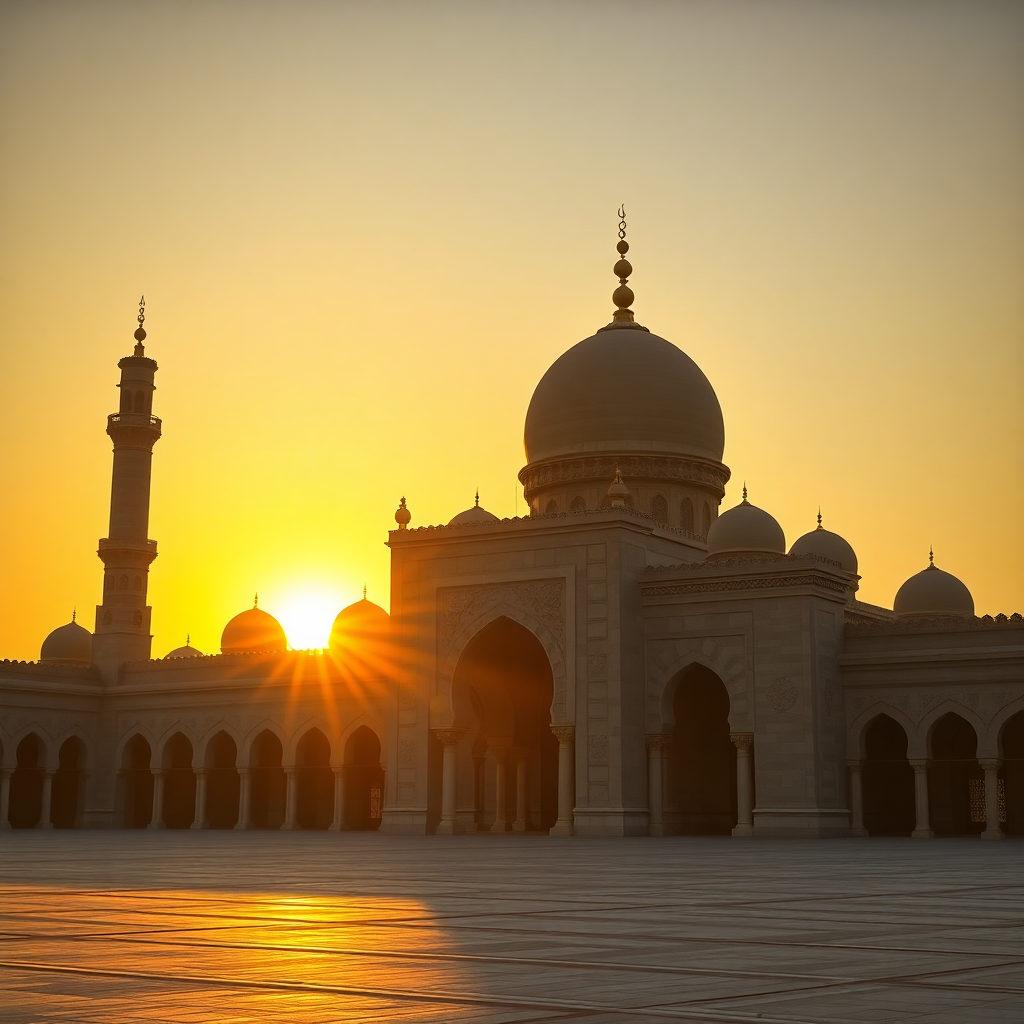
Masjid al-Nabawi
Some reports place her burial in or near the Prophet’s Mosque, especially in the area associated with her house after later expansions.
Jannat al-Baqi
Other reports connect her resting place with al-Baqi, the cemetery of Medina.
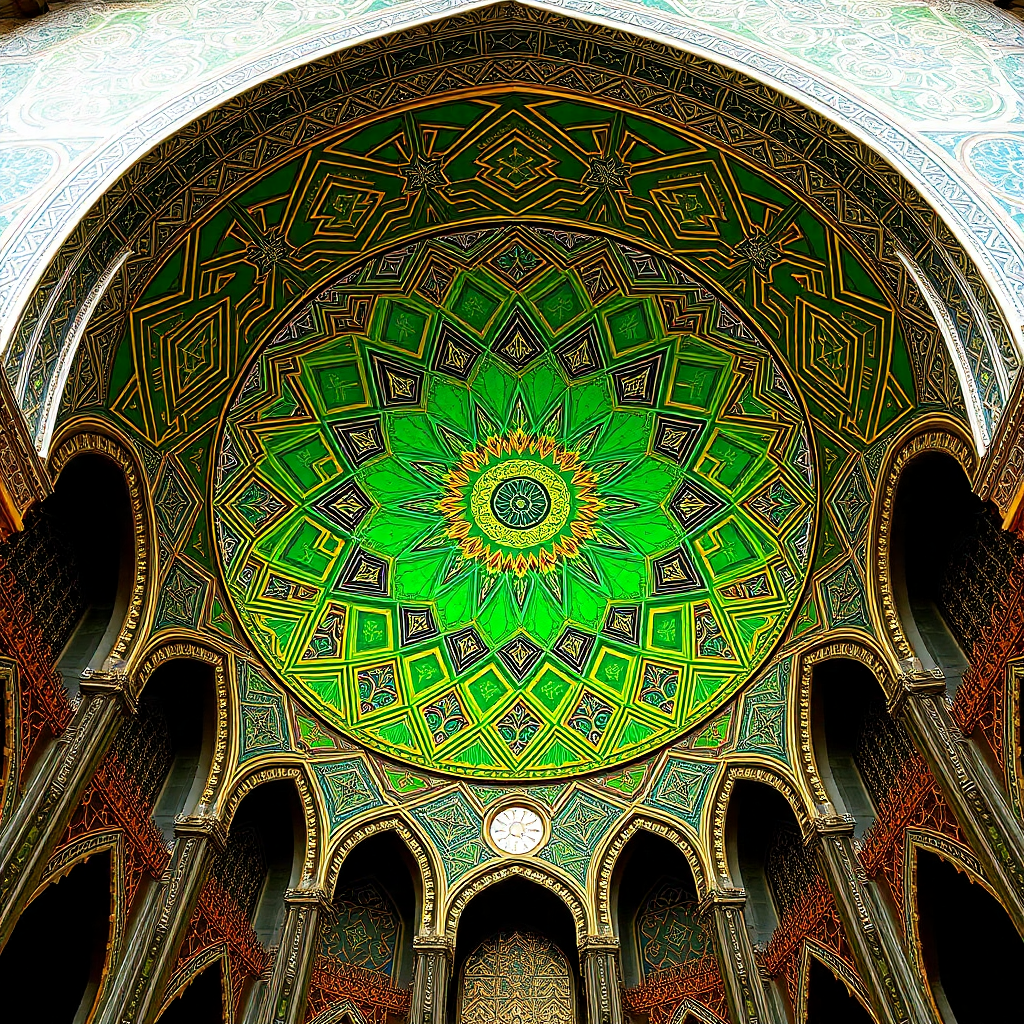
Her Home
A major Shi‘i view is that she was buried in her own home, a site later incorporated into the expanding mosque complex.
"The uncertainty of her burial place is not a historical accident, but rather a deliberate choice that speaks volumes about her life, her death, and the circumstances of her time."
Sacred Geography
Explore the sacred sites of Medina associated with Lady Fatemeh Zahra (sa) and the possible locations of her final resting place.

Medina al-Munawwarah
The illuminated city that was home to Lady Fatemeh (sa) after the migration from Mecca, and where she spent her final days.
Masjid al-Nabawi
The Prophet's Mosque, expanded over centuries to include the original homes.
Jannat al-Baqi
The sacred cemetery where many companions and family members are buried.
Her Home
The original location of her modest home adjacent to the Prophet's Mosque.
Historical Commentary
Shi‘i scholars usually mention three major possibilities when discussing her burial: her home, al-Baqi, or the area of the Rawdah near the Prophet’s Mosque. Because the mosque expanded over centuries, exact spatial reconstruction remains difficult.
What remains undisputed in devotional memory is the meaning of concealment itself: a grave hidden from public triumphalism, yet present in the conscience of the faithful.
Reflections on the Hidden Grave
Personal accounts from those who have visited these sacred sites, sharing their spiritual experiences and reflections.
“Because the grave is not publicly fixed, every sincere prayer in Medina becomes a search for her nearness. The believer is invited to look inward rather than depend on a monument.”
Contemplative Reflection
Prepared for this site
“Her hidden resting place teaches that truth does not need marble to survive. Its strongest memorial can be fidelity to the principles she embodied.”
Contemplative Reflection
Prepared for this site
Sacred Imagery
A collection of photographs capturing the beauty and serenity of the places associated with Lady Fatemeh's (sa) life and possible burial sites.

The Wisdom Behind the Mystery
The hidden nature of Lady Fatemeh’s grave teaches that true reverence is not exhausted by architecture. It summons sincerity, historical reflection, and a living commitment to justice, mercy, and loyalty to the Ahl al-Bayt (as).
Sincerity
The absence of a marked grave encourages sincere devotion rather than ritualistic visitation.
Reflection
It invites us to reflect on the circumstances that led to this unusual request and its historical context.
Universality
Her spiritual presence is not confined to one location but felt by devoted hearts everywhere.
Listen to Gol-e-Yaas
While contemplating the sacred mystery of her resting place, listen to this beautiful elegy that captures the deep reverence and love for Lady Fatemeh Zahra (sa).
"Gol-e-Yaas" - Song by Shadmehr Aghili